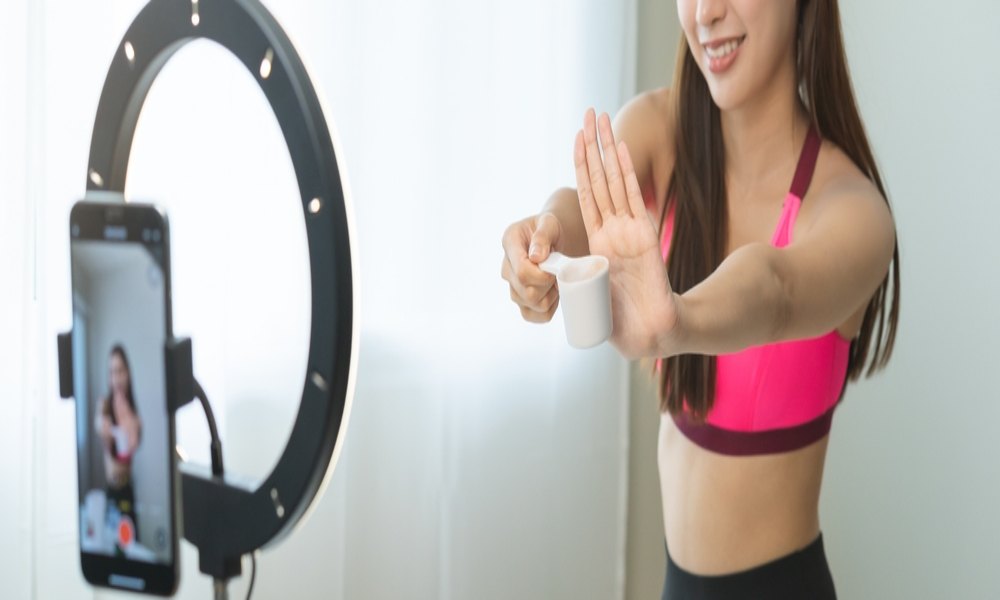
Having a large social media following is no longer the only way to attract brand partnerships. Today, creators with smaller but highly engaged communities can offer brands something valuable: relevant audiences, authentic recommendations, and meaningful connections. Understanding why a niche matters can help creators stand out, build credibility, and land brand deals as a small influencer without waiting for thousands of new followers.
Whether you create content about fitness, beauty, gaming, fashion, travel, or personal finance, a clearly defined niche can help brands understand who you reach and why your content is worth investing in.
Why a Niche Audience Makes Small Influencers Valuable
Brands want more than exposure. They want to reach people who are genuinely interested in their products and are more likely to engage with their campaigns.
A creator who regularly shares budget-friendly skincare advice, for example, may attract a highly relevant audience for a beauty brand. Similarly, a fitness creator who discusses home workouts can be a natural partner for sportswear or fitness equipment companies.
Here are three reasons brands may prefer smaller creators.
1. Stronger Connections and Trust
Smaller creators often interact directly with their followers through comments, messages, livestreams, and community discussions. These conversations help creators understand audience needs and build relationships over time.
When followers trust a creator’s expertise, product recommendations can feel more relevant and personal. Brands benefit when creators can explain how a product fits into real-life routines instead of simply repeating advertising messages.
2. More Relevant Content
A focused niche makes it easier to create content for a specific audience. Rather than covering unrelated topics, creators can develop expertise and produce useful reviews, tutorials, comparisons, and demonstrations.
This consistency helps potential partners understand a creator’s strengths and envision how their products could fit naturally into future campaigns.
3. Flexible Partnership Opportunities
Working with smaller creators can give brands an opportunity to test different messages, products, and audience segments without committing their entire budget to one major campaign.
For creators, this creates opportunities to begin with product gifting, content creation, affiliate commissions, or paid sponsorships, depending on the brand’s goals and available budget.
Five Steps to Land Brand Deals as a Small Influencer
Having a focused niche is a strong starting point, but creators also need to present their value professionally. These five steps can help turn an engaged audience into partnership opportunities.
1. Build a Clear Creator Identity
Choose the main topics you want to be known for and make them visible in your profile description, content, and visual style. Publish consistently so brands can quickly understand your expertise and audience.
You do not need to cover every trending subject. A recognizable identity can make your account easier for relevant brands to evaluate.
2. Research Brands That Fit Your Content
Start with companies whose products you already use or whose values align with your audience. Review their social media accounts, existing creator collaborations, and customer demographics.
You can also explore smaller businesses that may be looking for creators to introduce their products to targeted communities. Prioritize genuine alignment over pursuing every available sponsorship.
3. Prepare a Simple Media Kit
A media kit gives brands a quick overview of your creator business. Include your niche, audience demographics, engagement metrics, content examples, platforms, and contact details.
If you have limited sponsorship experience, highlight useful results from organic posts, such as saves, shares, meaningful comments, link clicks, or previous product-related content. Use accurate figures and explain why they matter to the prospective partner.
4. Pitch a Specific Collaboration Idea
Avoid sending generic messages asking brands to sponsor you. Instead, explain why their product fits your audience and propose a clear content idea.
For example, a travel creator might suggest a packing demonstration featuring a luggage brand. A home-cooking creator could propose a recipe video using a kitchen product.
Include the deliverables you can provide, your relevant audience insights, and a professional way to discuss compensation. A personalized pitch makes it easier for a brand to imagine the collaboration.
5. Follow Up and Demonstrate Results
Not every pitch will receive a response. Keep a record of the brands you contact, the dates of your messages, and any follow-up conversations. Send a polite follow-up when appropriate, but avoid repeatedly messaging companies that have declined.
After securing a campaign, report results honestly. Share relevant performance metrics and suggest future content ideas based on what worked.
How Micro-Influencers Can Build Long-Term Partnerships
Successful collaborations are built on more than a single sponsored post. Micro-influencers can strengthen relationships by meeting deadlines, communicating clearly, following campaign guidelines, and maintaining their authentic voice.
Before agreeing to a deal, confirm the deliverables, payment terms, deadlines, revision limits, content usage rights, and any exclusivity requirements. Product gifting is not automatically fair compensation when a campaign requires substantial work or grants extensive usage rights.
Creators can also explore affiliate programs, where eligible purchases made through tracked links may generate commissions. Platforms such as Affilza can help creators explore brand partnership opportunities that align with their content and audience.
Conclusion
A focused niche can help small influencers compete by making their expertise, audience, and value easier for brands to recognize. Consistent content, thoughtful brand research, a clear media kit, and personalized pitches can create a practical path toward paid collaborations.
Instead of concentrating only on follower growth, build a community that trusts your recommendations and demonstrate how your content supports campaign goals. With patience and professional communication, small creators can turn niche expertise into meaningful brand relationships.
FAQs
Can small influencers get brand deals?
Yes. Some brands work with smaller creators when their audience, content quality, engagement, and campaign goals align.
How many followers do you need to get a brand deal?
There is no universal minimum. Requirements vary by brand, platform, campaign objectives, and compensation model.
How do small influencers find brands to work with?
Research relevant companies, review similar creators’ partnerships, attend industry events, and explore creator marketplaces or affiliate programs.
What should a small influencer include in a media kit?
Include your niche, audience demographics, engagement data, content examples, platform links, and contact information.
Should small influencers accept gifted collaborations?
Gifted collaborations can help build experience, but creators should evaluate the work required, product value, usage rights, and whether the arrangement supports their goals.